In the fast-paced world of digital technology, user experience is key. Businesses are always looking for ways to enhance engagement while keeping costs low. Progressive Web Apps (PWAs) are emerging as a solution, offering a seamless experience combining the best of the web and mobile apps. In this post, we’ll dive into the benefits and challenges of PWAs, exploring why they are gaining traction among developers and businesses alike.
What Are Progressive Web Apps (PWAs)?
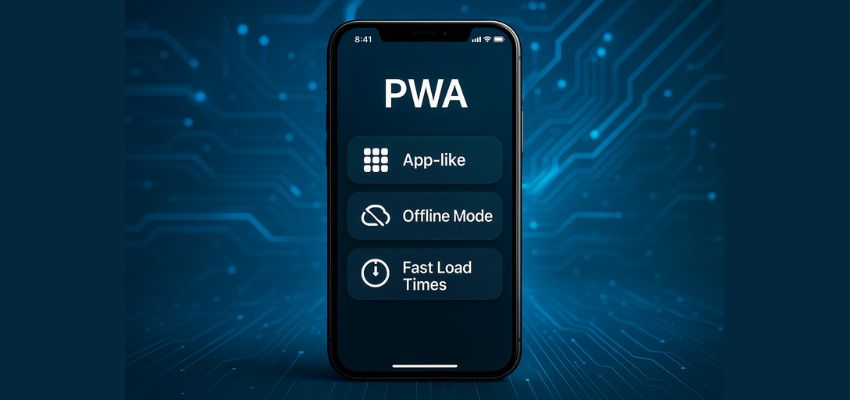
PWAs are web applications that deliver a native app-like experience across all devices. They use modern web capabilities to provide features such as offline access, push notifications, and the ability to be installed on a user’s device without needing to go through an app store. PWAs combine the best of the web and mobile apps, providing businesses with the ability to build fast, reliable, and engaging applications.
Key Characteristics:
Responsive: PWAs work across all screen sizes and devices, providing a consistent user experience.
Offline Capabilities: PWAs can function offline or in low-network conditions by caching essential content.
App-like Experience: With features like home screen installation and push notifications, PWAs feel like native apps.
Progressive Enhancement: They progressively enhance features based on the user’s browser capabilities.
No App Store Needed: Users don’t need to download the app from an app store, eliminating that extra step.
Advantages of PWAs
1. Improved Performance
PWAs load quickly, even on slow networks. Thanks to caching, users can enjoy fast loading times and smooth interactions, even with low connectivity.
For Users: Faster load times lead to a better experience, with reduced bounce rates and higher engagement.
For Businesses: Faster performance translates into better conversion rates, as users are more likely to stay on the site and complete actions.
2. Offline Capabilities
PWAs can work offline by caching data and content, allowing users to continue browsing, reading, or shopping even when they lose connection.
For Users: Seamless access to content and features without worrying about network issues.
For Businesses: Increased user retention and engagement, as users can continue interacting with the app even offline.
3. App-like Experience
PWAs offer a native app-like experience, with features such as home screen installation, push notifications, and full-screen mode. This makes them more engaging compared to traditional web apps.
For Users: A smoother, more engaging experience akin to using a native mobile app.
For Businesses: Increased user interaction, with the ability to send push notifications, creating a deeper connection with customers.
4. Cost-Effective Development
PWAs allow businesses to build one app that works across all platforms, unlike native apps that require separate codebases for iOS, Android, and web.
For Users: A consistent experience across devices, whether on desktop or mobile.
For Businesses: Reduced development costs and faster time to market due to a single codebase.
5. SEO Benefits
PWAs are indexed by search engines, which means they can help drive organic traffic and improve discoverability.
For Users: Easier discovery through search engines, leading to a better browsing experience.
For Businesses: Increased visibility and organic traffic, resulting in higher engagement and conversions.
6. Security
PWAs are served over HTTPS, ensuring secure communication between the server and the client, which protects user data.
For Users: Peace of mind knowing their data is protected.
For Businesses: Increased trust and credibility, as users are more likely to engage with secure apps.
Challenges of PWAs
1. Limited Browser Support
While PWAs work well across most modern browsers, there are still limitations on platforms like iOS, where features like push notifications are not fully supported.
For Users: Limited functionality on iOS compared to Android or desktop browsers.
For Businesses: Reduced reach among iOS users due to incomplete PWA support.
2. Limited Device Features
PWAs don’t have full access to device features like Bluetooth or NFC, which means certain functionalities are unavailable compared to native apps.
For Users: Lack of access to advanced device features, limiting some app experiences.
For Businesses: PWAs may not be suitable for apps that rely on advanced device hardware.
3. Performance Issues with Complex Apps
While PWAs are excellent for content-driven apps, they may struggle with complex applications requiring high performance, like graphic design tools or video editing software.
For Users: Performance limitations on resource-heavy apps may impact user experience.
For Businesses: PWAs may not be suitable for all industries, particularly those requiring high-end processing power.
4. Push Notification Limitations on iOS
iOS has limited support for push notifications in PWAs, which restricts the ability to engage users effectively on Apple devices.
For Users: Missing out on notifications that are available on Android and desktop platforms.
For Businesses: Reduced engagement with iOS users, limiting one of the core features of PWAs.
5. App Store Visibility
PWAs are not listed in app stores, which means businesses miss out on the visibility and discoverability provided by app marketplaces.
For Users: May not be able to find the app as easily as they would a native app in the app store.
For Businesses: Reduced visibility and organic app discovery due to the lack of app store presence.
The Future of PWAs
PWAs are likely to become even more powerful as browser and platform support continues to grow. Major platforms like Google Chrome and Microsoft Edge are improving their support for PWAs, and Apple is expected to gradually enhance PWA capabilities on iOS.
As more businesses adopt PWAs, we can expect to see even more innovative use cases in industries like eCommerce, news, and social media.
Conclusion
Progressive Web Apps are a game-changing development for businesses looking to provide a fast, engaging, and cost-effective solution for their users. While they come with some challenges, especially in terms of browser and device feature limitations, the advantages—such as faster performance, offline capabilities, and cost-effective development—make them an attractive option for businesses in 2025 and beyond.
FAQ Section
What is the difference between a PWA and a native app?
A PWA is a web app that behaves like a native app, while a native app is a fully installed application on the user’s device, with deeper hardware integration.
Can PWAs be used for eCommerce websites?
Yes, PWAs are ideal for eCommerce sites, as they offer fast loading times, offline capabilities, and push notifications to keep customers engaged.
What are the performance benefits of PWAs over traditional web apps?
PWAs offer faster load times, offline access, and app-like experiences that traditional web apps cannot provide.
Why are push notifications limited on iOS for PWAs?
iOS has limited support for PWAs, especially when it comes to background push notifications, which affects user engagement.
Will PWAs replace native apps in the future?
PWAs are a great alternative for many use cases, but they may not fully replace native apps in areas requiring advanced device integration, such as gaming or augmented reality.