Applying Machine Learning in IoT: Revolutionizing Smart Devices with AI
In today’s world, Machine Learning (ML) is the driving force behind the Internet of Things (IoT), allowing connected devices to not just collect data but also make intelligent decisions. This powerful combination is transforming industries and shaping the future of business operations, from smart homes to industrial automation.
At Code Genesis, we’re integrating AI and ML into IoT solutions to deliver smarter, more efficient outcomes for our clients, enabling them to unlock new potential and automate processes like never before.
What Is Machine Learning for IoT?
Machine learning takes raw data collected by IoT devices and applies algorithms to understand patterns, make predictions, and automate real-time decisions. With ML, IoT goes beyond basic data collection, evolving into self-learning systems that predict, adapt, and even act without human intervention.
At Code Genesis, we specialize in designing and implementing intelligent IoT systems powered by ML to streamline operations and increase business efficiency.
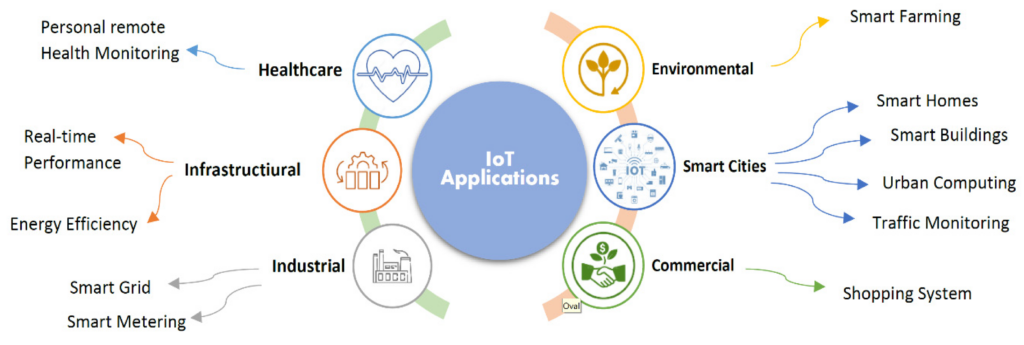
How Does ML Transform IoT?
While IoT devices capture data from the environment, ML interprets that data to make informed decisions, creating predictive models and enabling autonomous systems.
For example:
- Predictive Maintenance: ML algorithms analyze data from machinery, predicting failures before they occur, minimizing downtime, and reducing maintenance costs.
- Anomaly Detection: IoT systems with ML capabilities can flag unusual patterns, alerting businesses to potential security breaches or operational inefficiencies.
Smart Automation: ML allows devices to learn from user behavior, offering personalized experiences in smart homes or manufacturing environments.
Cloud-Powered vs. Edge-Driven ML
ML can be applied either in the cloud or on the edge:
- Cloud-Powered ML: Analyzes large volumes of data remotely, providing deep insights but introducing potential latency and bandwidth concerns.
- Edge ML: Processes data near the device itself, offering real-time analysis with minimal latency and reduced need for data transfer.
At Code Genesis, we help clients decide which approach works best for their specific needs, whether it’s large-scale cloud analytics or fast, real-time edge processing.

Why Integrate ML with IoT?
Integrating Machine Learning into IoT systems transforms them from simple data-collection tools to smart systems that learn, adapt, and make intelligent decisions.
The benefits include:
- Predictive intelligence: ML predicts trends and outcomes, allowing businesses to act proactively.
- Cost efficiency: IoT with ML can optimize resources and reduce waste, driving down operational costs.
Increased productivity: With automation, businesses can increase efficiency and productivity by minimizing human involvement in decision-making.
Challenges in IoT + ML Integration
While the combination of ML and IoT offers tremendous benefits, it’s not without challenges:
- Computational Constraints: Edge devices may not have the power to run complex ML algorithms.
- Data Privacy: Handling sensitive data securely is paramount in IoT solutions.
Real-time Processing: Ensuring that IoT devices can process data in real-time without delay is critical for many applications.
The combination of Machine Learning and Internet of Things opens the door to a new era of intelligent systems. At Code Genesis, we’re at the forefront of this transformation, helping businesses leverage IoT + ML to drive efficiency, automate decision-making, and provide smarter solutions.
If you’re looking to implement AI-driven IoT systems that can learn, adapt, and enhance your business operations, Code Genesis is here to guide you through every step of the process.
