The world of software development is constantly evolving, and in 2025, a new approach is making waves Vibe Coding. Imagine building complex applications simply by explaining your ideas in natural language, and having artificial intelligence (AI) generate the code for you. It sounds like science fiction, but it’s happening right now.
But while this approach can accelerate the development process, the question arises: Is vibe coding secure? Can solutions built with AI-generated code truly meet the security standards we demand in today’s fast-paced digital world?
The answer is not yet. Vibe coding has a lot of potential, but it still requires a transparent, well-guided process to ensure the solutions it generates are secure for users. In this blog, we’ll walk you through everything you need to know about vibe coding, including its strengths, challenges, and best practices to ensure your code is reliable, secure, and scalable.
What is Vibe Coding?
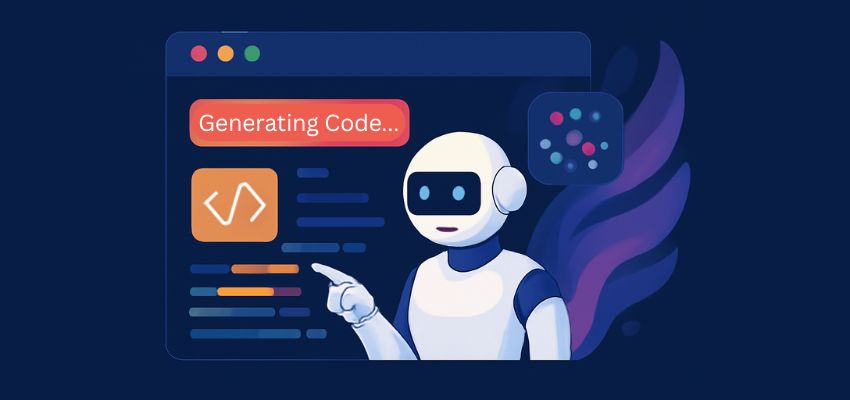
Vibe coding refers to an AI-assisted approach to software development, where developers guide an AI through a conversation-like process to generate and refine code. Rather than writing code line by line, developers simply explain what they want to build in plain language, allowing the AI to generate the initial code. This allows for faster prototyping, testing, and iteration.
Coined by Andrej Karpathy earlier this year, vibe coding marks a significant shift in the workflow. Instead of writing code manually, developers now act as guides, instructing the AI and refining the generated code in real time.
While AI tools have been part of the development ecosystem for years, vibe coding brings a new level of conversational interaction between developers and AI. According to last year’s statistics, 82% of developers are already using AI in their workflow, a trend that will continue to grow.
Traditional Coding vs. Vibe Coding: A New Era of Development
| Traditional Coding | Vibe Coding |
|---|---|
| Organized, methodical, and reason-based | Intuitive, spontaneous, and flow-based |
| Full-stack, IDEs, version controls, test suites | Minimal setup, lightweight editors, live previews |
| Accuracy and long-term viability | Immediate feedback and efficiency |
| Official reviews, documentation, and tickets | Risk of not fully understanding the code |
| Production-ready systems and features | Rapidly generated prototypes and experimental features |
Vibe coding emphasizes flexibility, speed, and efficiency, while traditional coding focuses on stability and long-term viability.
Why is Vibe Coding Becoming Popular?
Vibe coding is gaining traction due to several key benefits:
- Access for Non-Technical Users: Vibe coding empowers non-technical founders, designers, and domain experts to create prototypes and launch MVPs without needing extensive programming knowledge.
- Rapid Prototyping: With AI, developers can quickly translate ideas into executable code, reducing the time needed for manual coding and debugging.
- Experimentation and Iteration: Vibe coding makes it easier and more cost-effective for businesses to test new ideas, receive feedback, and quickly make adjustments.
- Enhanced Efficiency: Automating repetitive tasks and allowing for real-time testing and adjustments means that developers can focus on higher-level functionality.
These advantages make vibe coding a tool for the future, allowing both technical and non-technical individuals to bring ideas to life faster than ever.
How to Do Vibe Coding?
If you’re ready to get started with vibe coding, follow these steps to ensure a smooth and effective process:
Step 1: Choose the Right Tool
Selecting the right tool is crucial. Different tools offer varying levels of code generation, language support, and integrations. Here are some tips for choosing the right tool:
- Test a few tools: Try 2-3 tools with a small prompt to see which one generates the best results.
- Ensure framework compatibility: Make sure the tool works with your tech stack, frameworks, and IDE.
- Look for community support: Choose tools that offer tutorials, forums, and active communities for easier troubleshooting.
Step 2: Describe in Plain Language
Once you’ve chosen your tool, the next step is to describe your project in plain language. Be specific about the desired inputs, outputs, and functionality. For example:
“Build a dashboard that visualizes complex datasets with real-time analytics and user-adjustable filters.”
Step 3: Review and Refine
AI-generated code is rarely perfect on the first try. Make sure to review and refine the generated code, paying attention to:
- Logical errors and missing functionality
- Code readability and maintainability
- Performance or security issues
Step 4: Testing
AI tools can help generate test cases, but thorough testing is essential. Perform unit, integration, and edge case testing to ensure that the code behaves as expected.
Step 5: Iterate Quickly
One of the main advantages of vibe coding is the ability to iterate rapidly. If a part of your project needs improvement, simply adjust your prompt and let the AI refine the code.
Step 6: Deployment
Once you’re satisfied with the code, deploy it and monitor its performance. Continue refining it based on real-world usage and feedback.
Check out our complete guide to API development to help you integrate APIs into your vibe coding projects.
Best Practices for Vibe Coding
Define Clear Project Requirements: Establish the scope and achievable milestones before starting.
Use Git for Version Control: Track changes and ensure you can revert to previous versions if necessary.
Break Code into Modular Components: Keep your code organized and manageable.
Leverage AI for Standard Components: Let AI handle repetitive tasks like UI layouts or API models.
For more insights on improving your software architecture, read our blog on Monolithic vs Microservices Architecture.
Top Tools for Vibe Coding
Here are some of the most popular tools for vibe coding:
IDE-Native & Chat-First Assistants:
Cursor
Claude Code
Google Gemini Assist
Replit
Prompt-to-App Builders:
Lovable
Base44
Bolt.new
Windsurf (AI-powered code editor)
These platforms help streamline the development process by integrating AI capabilities to assist in coding tasks. Explore how we integrate AI tools for developers in our development process.
Understanding Vibe Coding Limitations
While vibe coding offers immense potential, it has limitations:
Inconsistent Code Styles: AI-generated code can sometimes lack consistency, making it harder to maintain.
Security Vulnerabilities: Without proper oversight, AI-generated code can introduce hidden security issues.
Lack of Full Understanding: Developers still need to review and understand the generated code to avoid problems during production.
Conclusion
Vibe coding is changing the landscape of software development. It offers unprecedented speed and flexibility, allowing developers to create complex solutions with minimal effort. However, as with any new approach, it’s essential to follow best practices and implement safeguards to ensure security and maintainability.
At Code Genesis, we specialize in combining AI-driven approaches with solid engineering principles to deliver fast, scalable, and secure web and software solutions. Ready to see how vibe coding can work for you? Book a 30-minute free consultation with us today!
FAQs
- Is vibe coding secure?
AI-generated code can be vulnerable, but with proper testing and security measures, it can be used safely. - Can I vibe code with ChatGPT?
Yes, ChatGPT can be a useful tool for brainstorming, generating code, and debugging issues in real-time. - Is vibe coding here to stay?
Yes, vibe coding is likely to remain, evolving alongside the development community and enhancing developer productivity. - What are the best apps for vibe coding?
Some of the best apps for vibe coding are Cursor, Replit, and Windsurf for rapid prototyping and AI-powered code assistance.